

 UPSC Exams
  UPSC CSE
 UPSC CAPF
 UPSC CDS
 UPSC NDA
 UPSC EPFO
 UPSC CISF LDCE
 State Upper PCS
  UPPSC PCS
 BPSC CCE
 RPSC RAS
 MPPSC (Madhya Pradesh) CCE
 MPSC (Maharasthra) Rajyaseva
 WBPSC WBCS
 GPSC CCE
 KPSC (Karnataka) KAS
 APSC (Assam) CCE
 View More
 Defence
 AFCAT
AFCAT BSF SI
 Indian Army Agniveer
 Banking
  IBPS PO
 SBI PO
 RBI Grade B
 Cental Bank Of India Apprentice
 IDBI Junior Assistant Manager
 SSC
SSC  Police
  Bihar Police SI
 UP Police SI
 Delhi Police Head Constable
 Rajasthan Police SI
 WB Police SI
 Assam Police SI
 Odisha Police SI
 Railway
 Other State Exams
 Insurance
 Regulatory Body
Indian Martial Arts
1. Martial Art forms of India
Check the Map and Locate the Martial Art Forms from the States they Belong to
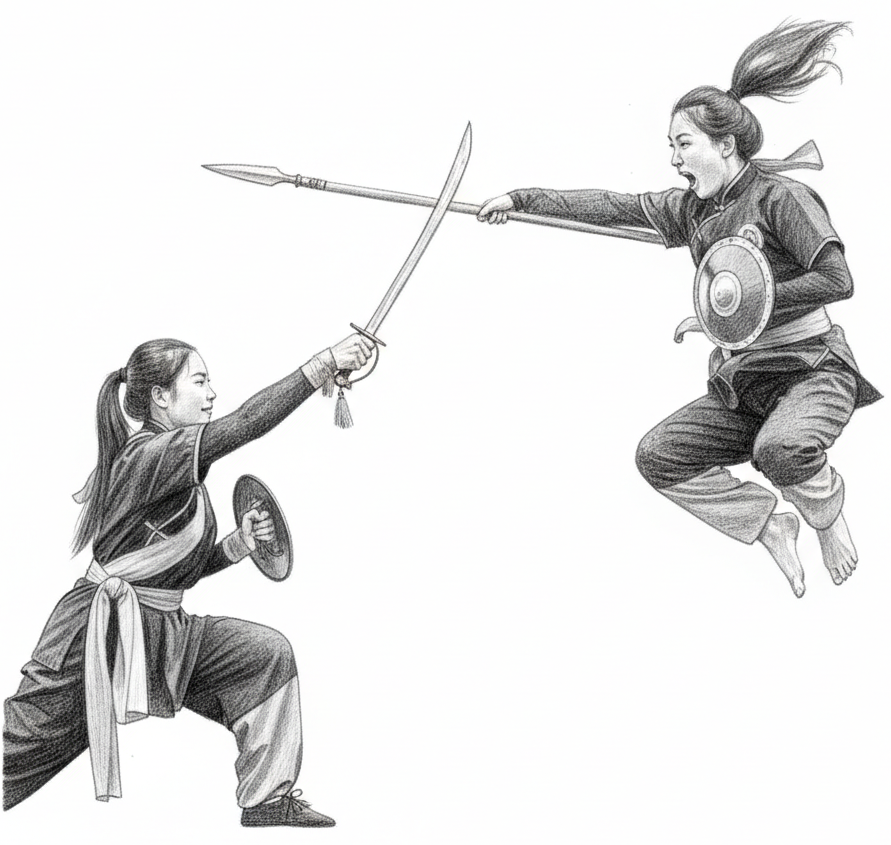
⚬ Huyen langlon or Thang Ta is an Indian martial art from 📌.
⚬ Their history can be traced back to the 17th century when it was used successfully used byManipuri. The capture of this region by the British witnessed the ban on these art forms, however post independence there was a resurfacing of the same.
⚬ In the Meitei language, huyen [wp_colorbox_media url=”http://acingacademy.com/wp-content/uploads/2026/01/Screenshot-2026-01-12-004934.png” type=”image” hyperlink=”means”] while and “langlon” means “knowledge” or “art”.
⚬ Huyen langlon consists of two main components:
⬩ Thang-ta (armed combat)
⬩ Unarmed fighting is [wp_colorbox_media url=”http://acingacademy.com/wp-content/uploads/2026/01/Screenshot-2026-01-12-004849.png” type=”image” hyperlink=”called”]
⚬ The primary weapons of huyen langlon are the thang and ta . Hence its whear it derives its name. Other weapons include the shield and the axe.
No Highlights!
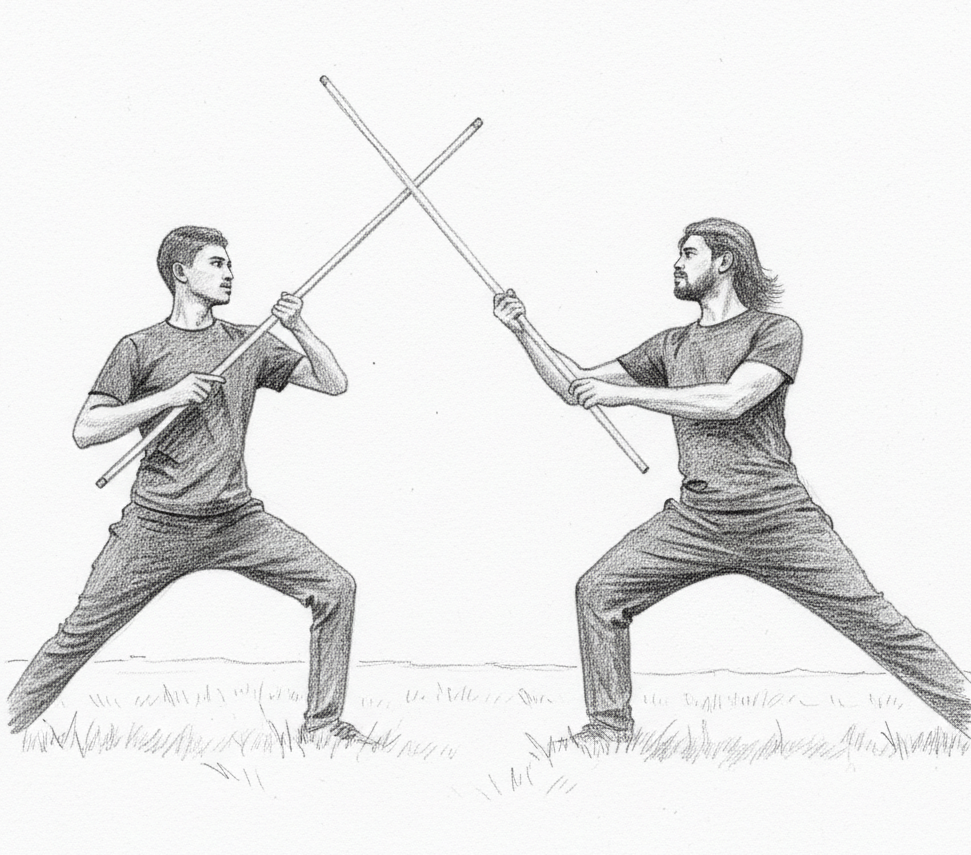
⚬ Lathi is a wooden weapon to fight and is an ancient weapon used in martial arts in India. Lathi refers to a ‘stick’ (usually cane sticks), which is generally 6 to 8 feet in length and sometimes metal tipped.
⚬ Lathi or stick are used in martial arts in the state of 📌and 📌
⚬ Lathi is also popular for its utility in sports specially in the Indian villages.
⚬ A practitioner is known as lathial.
Belt (or "catch-hold rope")
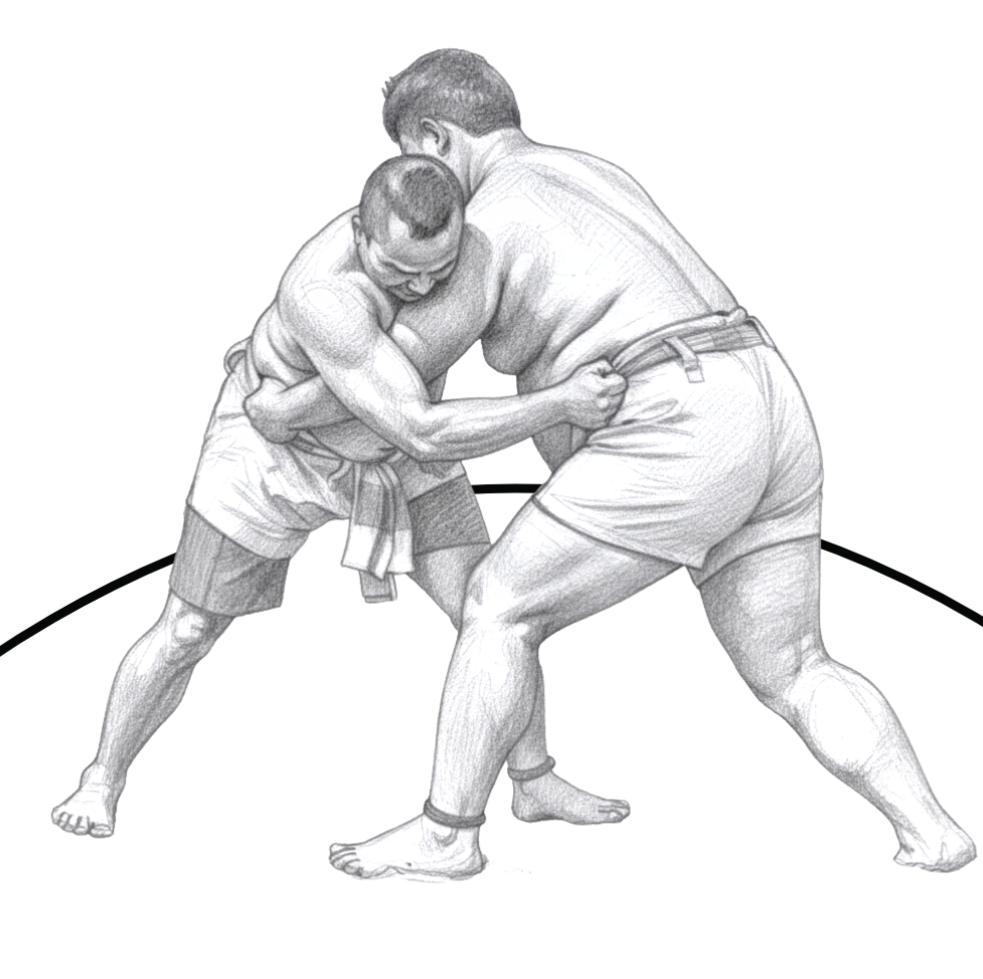
⚬ Inbuan Wrestling is believed to have its genesis in 1750 A.D. in the village of 📌State of
⚬ It has very strict rules that prohibit stepping out of the circle, kicking and knee bending. The way to win this is by lifting the opponent off their feet, while stringently adhering to the rules.
⚬ It also involves catching of the beltby the wrestlers. This art form was regarded as a sport only after the people of Mizoram migrated from Burma to Lushai hills.
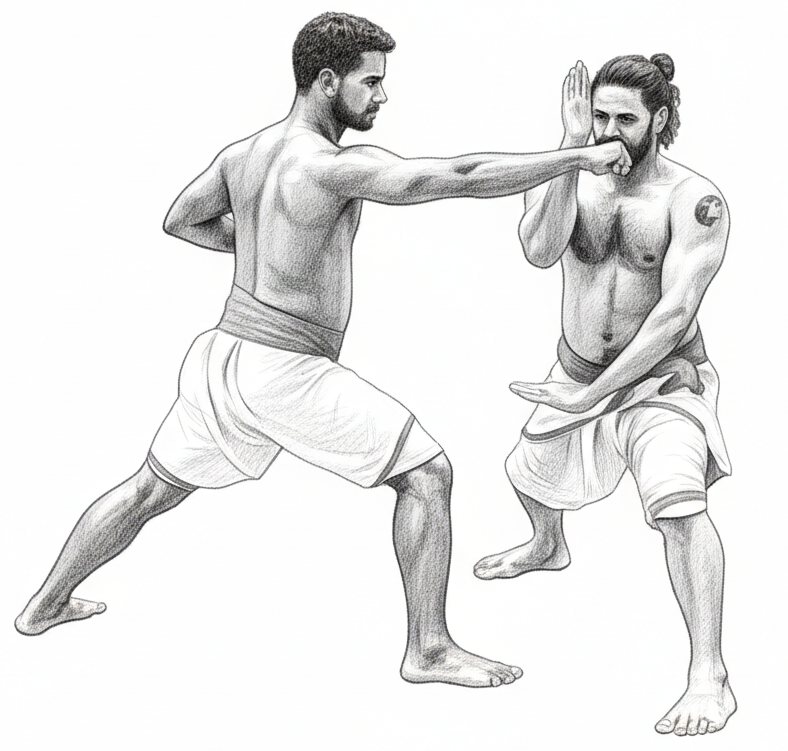
⚬ First mentioned in [wp_colorbox_media url=”http://acingacademy.com/wp-content/uploads/2026/01/Screenshot-2026-01-12-024156.png” type=”image” hyperlink=”literature”] belonging to (first or second century B.C.), [wp_colorbox_media url=”http://acingacademy.com/wp-content/uploads/2026/01/Screenshot-2026-01-12-024038.png” type=”image” hyperlink=” translates to”]
⚬ Kuttu Varisai is mainly practiced in 📌, although it is quite popular in north-eastern part of Sri Lanka and Malaysia too.
⚬ An unarmed Dravidian martial art, it is used to advance athleticism and footwork through starching, yoga, gymnastics and breathing exercises.
⚬ The major techniques used in this art include grappling, striking and locking. It also uses animal based sets including snake, eagle, tiger, elephant and monkey. It is considered as an unarmed component of silambam.
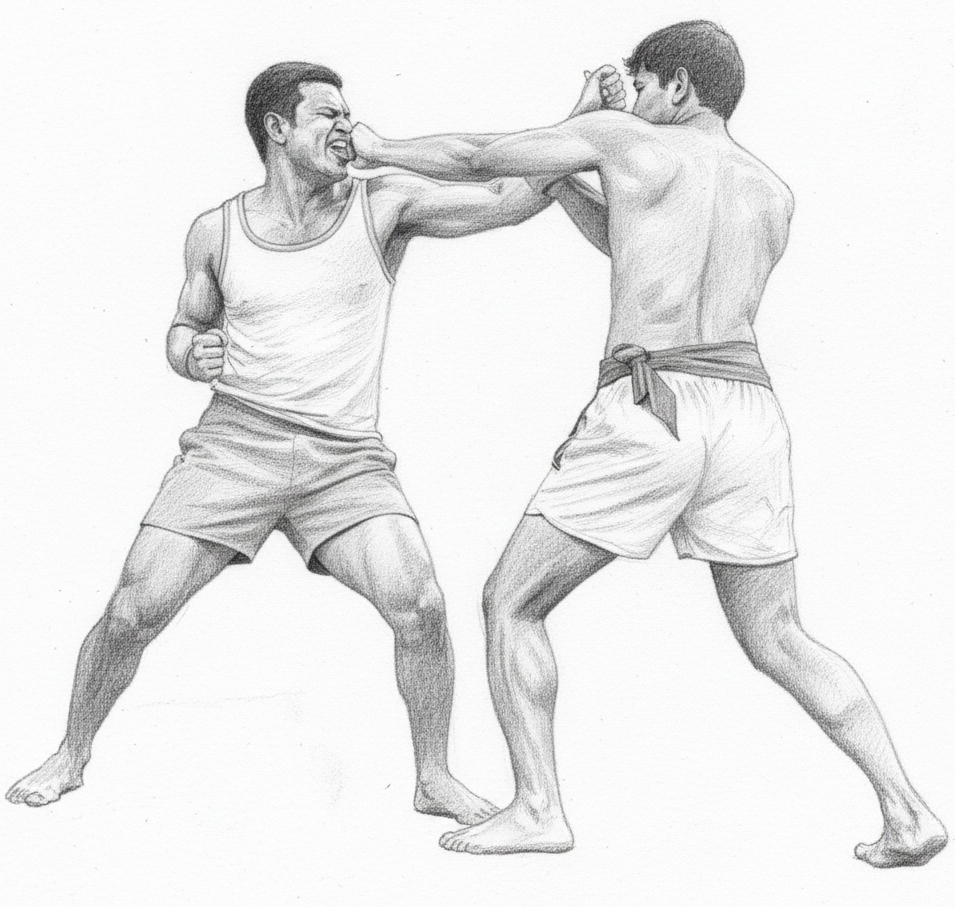
⚬ Originated in one of the oldest city of the country, 📌, Musti Yuddha is an unarmed martial art form resembling boxing.
⚬ Musti Yuddha (or Mushti-yuddha) means musti (fist) and yuddha (fight/battle) It used techniques like kicks, punches, knee and elbow strikes. Although rarely visible now, it was quite a popular art during 1960s. Musti Yuddha incorporated the development of all three aspects, physical, mental and spiritual.
⚬ The fights in this art are divided into four categories and are named according to the Hindu Gods that excelled that particular kind of art from.
⚬ The first one is called Jambuvanti that refers to the forcing the opponent into submission through locking and holding. The second is Hanumanti, which is for technical superiority. The third refers to Bhimaseni, which focuses on sheer strength while the last one is called Jarasandhi that concentrates on limb and joint breaking.
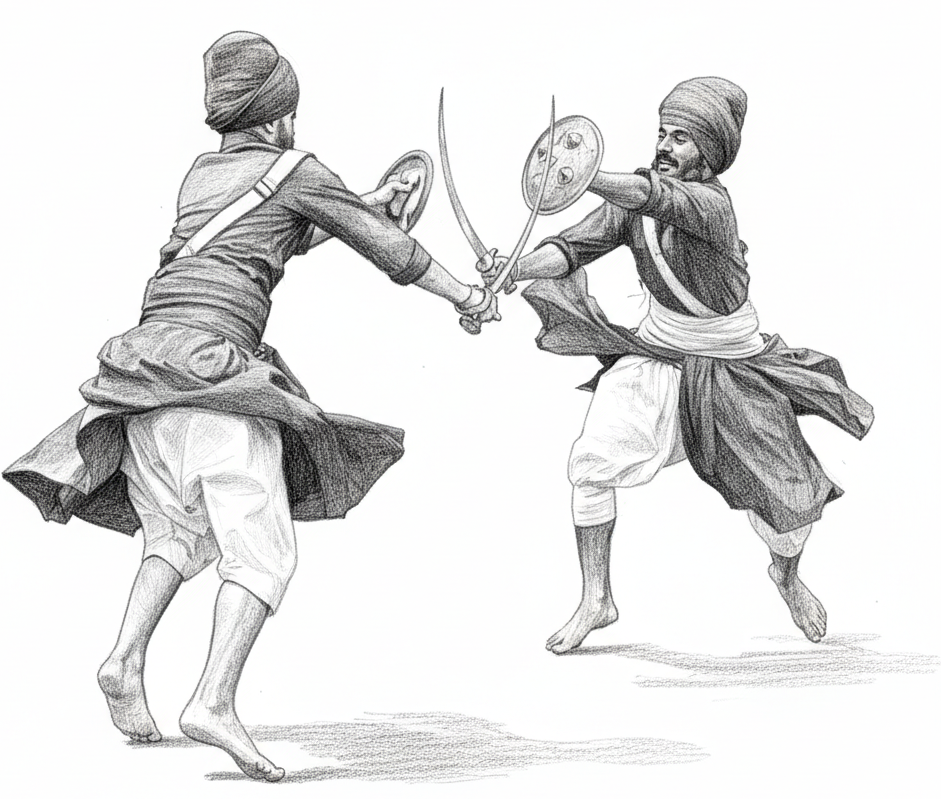
Gatka is a weapon based martial art form, performed by the Sikhs of 📌.
The name ‘Gatka’ refers to the one whose freedom belongs to grace. Some also say that the word ‘Gatka’ comes from a Sanskrit word ‘Gadha’, which means mace.
Gatka features the skillful use of weapons, including stick, Kirpan, Talwar and Kataar. The attack and defence in this art form is determined by the various positions of hands and feet and the nature of weapon used. It is displayed on a number of celebrations in the state including fairs.
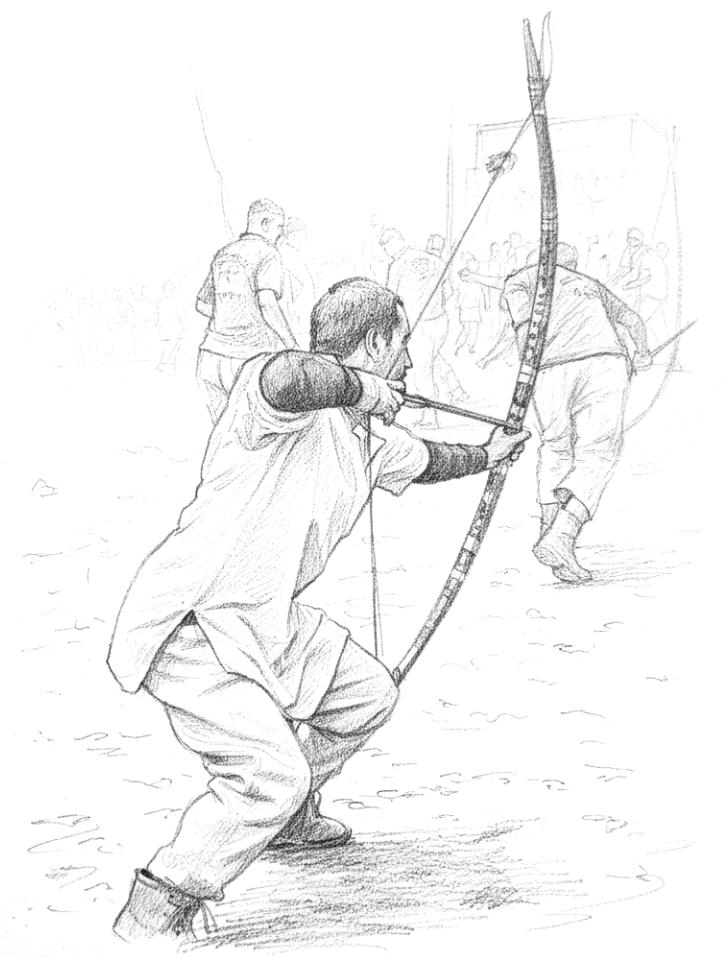
Bows and Arrows
Man is Hitting another Team Member!
Originating in the State of 📌, Thoda is a mixture of martial arts, sport and culture. It takes place during Baisakhi (13th and 14th April) every year. A number of community prayers are done so as to invoke the blessings of Goddesses Mashoo and Durga, the principal deities. The game is quite popular in various parts of the State including Narkanda block, Theong division (Shimla district), Chopal division, Solan and Sirmaur district.
The martial art relies on a player’s skill of archery. dated back to Mahabharata, the times when bows and arrows were used in the epic battle, in the valleys of Kullu and Manali. Hence, Thoda finds its genesis in Kullu. Its name is derived from the round wooden piece attached to the head of an arrow to minimise its lethal potential. The equipment required for this game, i.e. wooden bows and arrows, are prepared by traditional skilled artisans. The bow’s range is from 1.5 to 2 meters, depending on the height of the archer. The arrows are in proportion to the bow.
In the game, there are two groups of roughly 500 people each. Most of these are not archers but dancers who come along to boost the morale of their respective teams. The game is played in a marked court so as to ensure a certain degree of discipline. The two teams are called Pashis and Saathis, who are believed to be the descendants of Pandavas and Kauravas of Mahabharata. The archers aim for the leg, below the knee, as there are negative points for striking any other parts of the body.
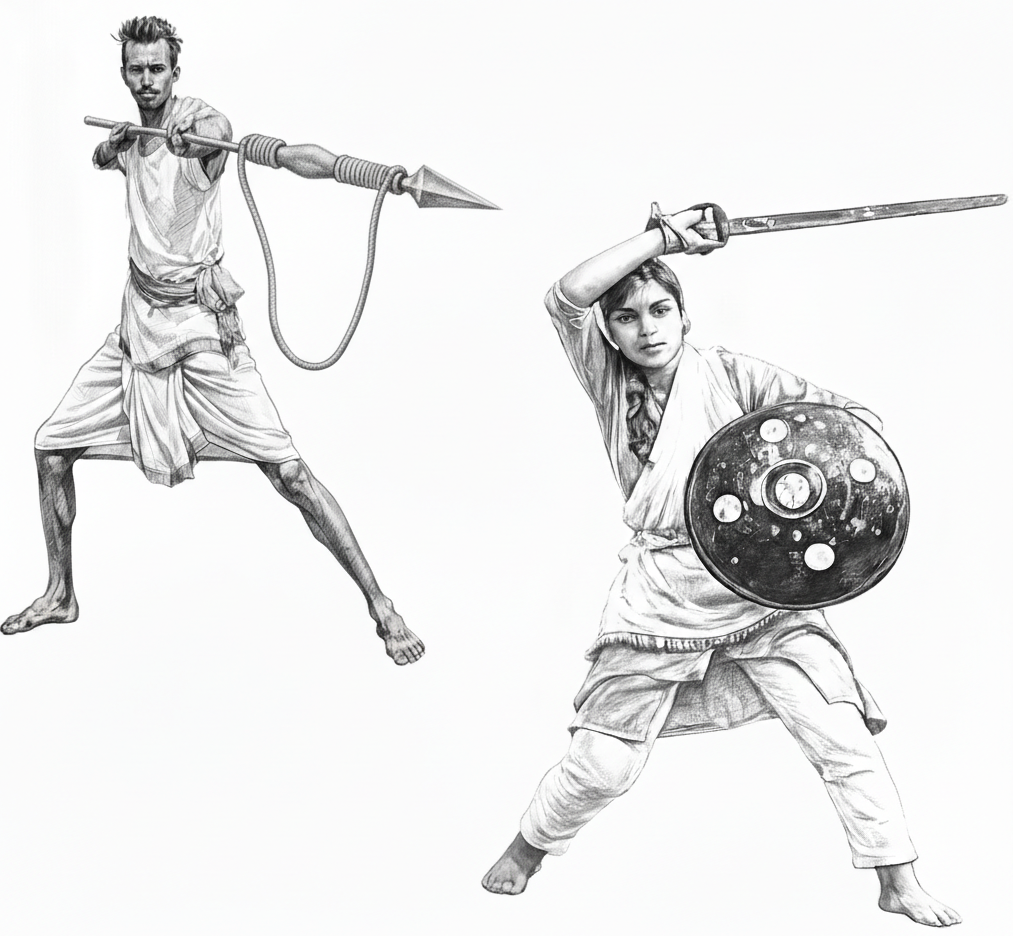
This is a traditional Maharashtrian armed martial art, which is practiced widely in the district of Kolhapur. Mardani Khel focuses primarily on skills of weaponry, especially swords, swift movements and use of low stances that is suited to its originating place, the hill ranges. It is known for the use of the unique Indian Pata (sword) and Vita (corded lance).
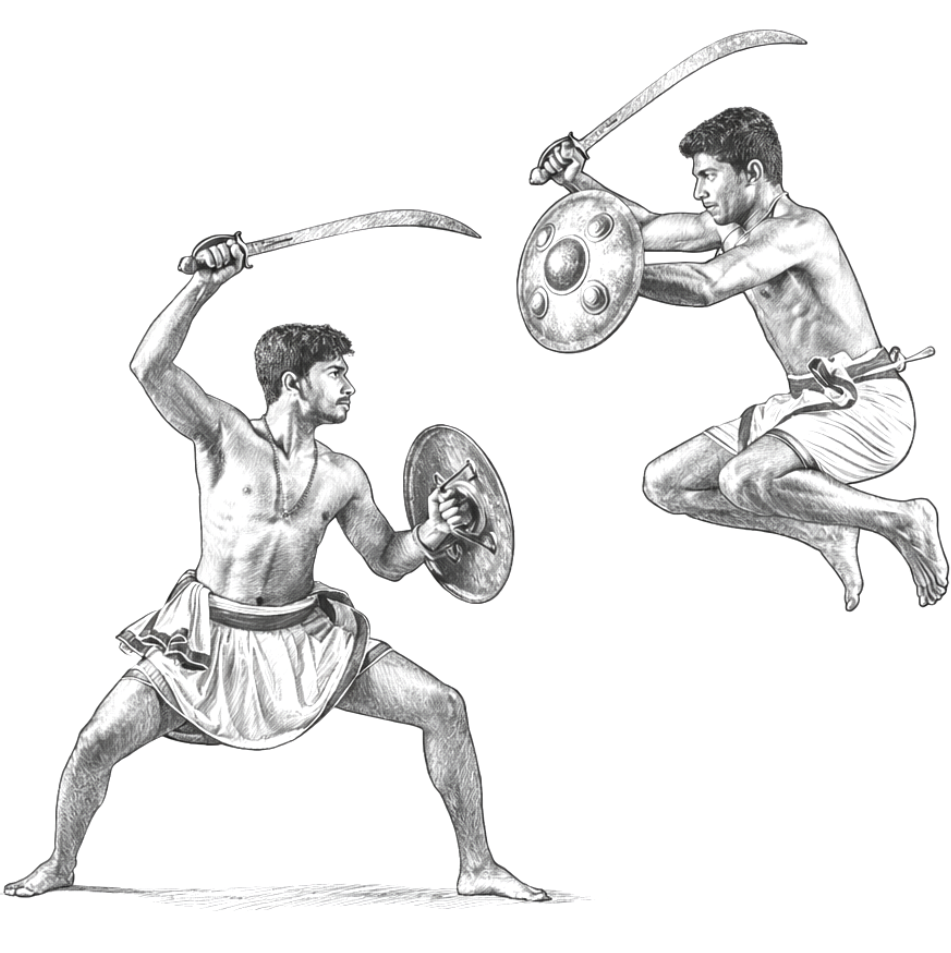
Pari-khanda , created by Rajputs, is a form of martial art from Bihar. It involves fighting using sword and shield. Still practiced in
many parts of Bihar, its steps and techniques are widely used in dance. In fact this martial art forms the basis of Chhau dance in which all its elements are absorbed. The name of this martial art consists of two words, ‘Pari’ that means shield while ‘khanda’ refers to sword, thus the use of both sword and shield in this art
One of the most ancient martial arts of Manipur, Cheibi Gad-ga
involves fighting using a sword and a shield. It has now been
modified to a stick encased in soft leather in place of a sword and a
leather shield. The contest takes place in a circle of 7 metre diameter,
on a flat surface. Within the circle, there are two lines, 2 metre apart.
The ‘Cheibi’ stick is between 2 to 2.5 feet in length, while the shield
is around 1 metre in diameter. Victory in this contest is achieved
according to the points earned during a duel. The points are given
based on skills and brute force.
Gatka is a weapon based martial art form, performed by the Sikhs of 📌.
One of the most ancient martial arts of Manipur, Cheibi Gad-ga
involves fighting using a sword and a shield. It has now been
modified to a stick encased in soft leather in place of a sword and a
leather shield. The contest takes place in a circle of 7 metre diameter,
on a flat surface. Within the circle, there are two lines, 2 metre apart.
The ‘Cheibi’ stick is between 2 to 2.5 feet in length, while the shield
is around 1 metre in diameter. Victory in this contest is achieved
according to the points earned during a duel. The points are given
based on skills and brute force.
One of the oldest martial arts in India, Kalaripayattu , although practiced in most parts of southern India, originated in the state ofKerala in the 4th century A. D. Kalari, a Malayalam word, refers to a specific type of school/gymnasium/training hall where martial arts are practiced or taught (in this case it’s Kalaripayattu). According to legends, sage Parasurama, who built temples and introduced martial arts, started Kalaripayattu
This art form includes mock duels (armed and unarmed combat) and physical exercises. Not accompanied by any drumming or song, the most important aspect is the style of fighting. Kalaripayattu’s most important key is footwork; it also includes kicks, strikes and weapon-based practice. Its popularity in the country can be easily seen when one looks at Indian movies including Ashoka and the Myth. Even women practice this art. Unniyarcha, a legendary heroine, won many battles using this martial art. Even though Kalaripayattu is used as a means of unarmed self-defence and a way to achieve physical fitness today, it is still rooted in the traditional
rituals and ceremonies. Kalaripayattu includes a number of techniques and aspects. Some of them are: Uzhichil or the massage with Gingli oil, Fighting with Otta (an ‘S’ shaped stick), Maipayattu or body exercises, Puliyankam or sword fight, Verumkai or bare-handed fight, AngaThari or use of metal weapons and sticks of Kolthari.
Paikha akhada, also known as paika akhara, is an Odia name for “warrior scholl.”
It was used as a peasant militia training school in Odisha.
It is used to do conventional physical activities.
Rhythmic gestures and weapons swung in synchronization to the beat of the drum are used in this performance art.
Paikha akhada, also known as paika akhara, is an Odia name for “warrior scholl.”
It was used as a peasant militia training school in Odisha.
It is used to do conventional physical activities.
Rhythmic gestures and weapons swung in synchronization to the beat of the drum are used in this performance art.